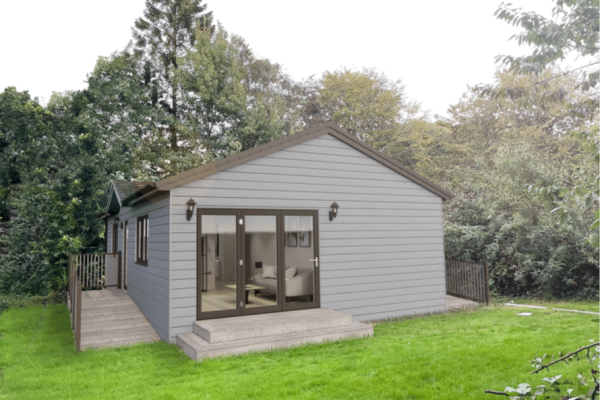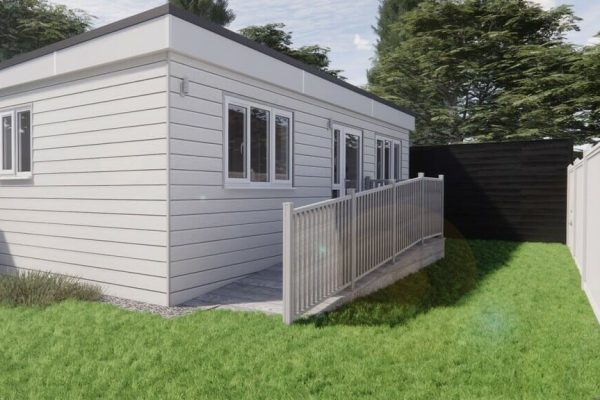
Securing planning permission for garden rooms can sometimes be more complex than homeowners expect. While many outbuildings fall under Class E Permitted Development Rights, certain factors ,such as height, design, or proximity to boundaries , can remove these rights and require a full planning application. This recent case involved a proposal for a single-storey garden room designed to provide flexible living and leisure space for the household.
A key question for the local authority was whether the structure remained subordinate to the main dwelling and genuinely incidental to its use. Although garden rooms are common in residential gardens, the position of this building within 2m of the boundary and its 3m height meant it did not meet the criteria for Permitted Development, triggering the need for formal planning permission. The proposal also needed to demonstrate good design, compliance with local policy, and no harm to neighbouring amenity.
NAPC prepared a comprehensive Planning, Design & Access Statement, supported by detailed architectural drawings. The garden room was designed with a flat roof and contemporary vertical timber cladding in Anthracite Grey, ensuring a high-quality appearance that remained modest in scale. Located at the far end of the garden, the structure was carefully sited to ensure it did not dominate the plot or impact the surrounding properties.
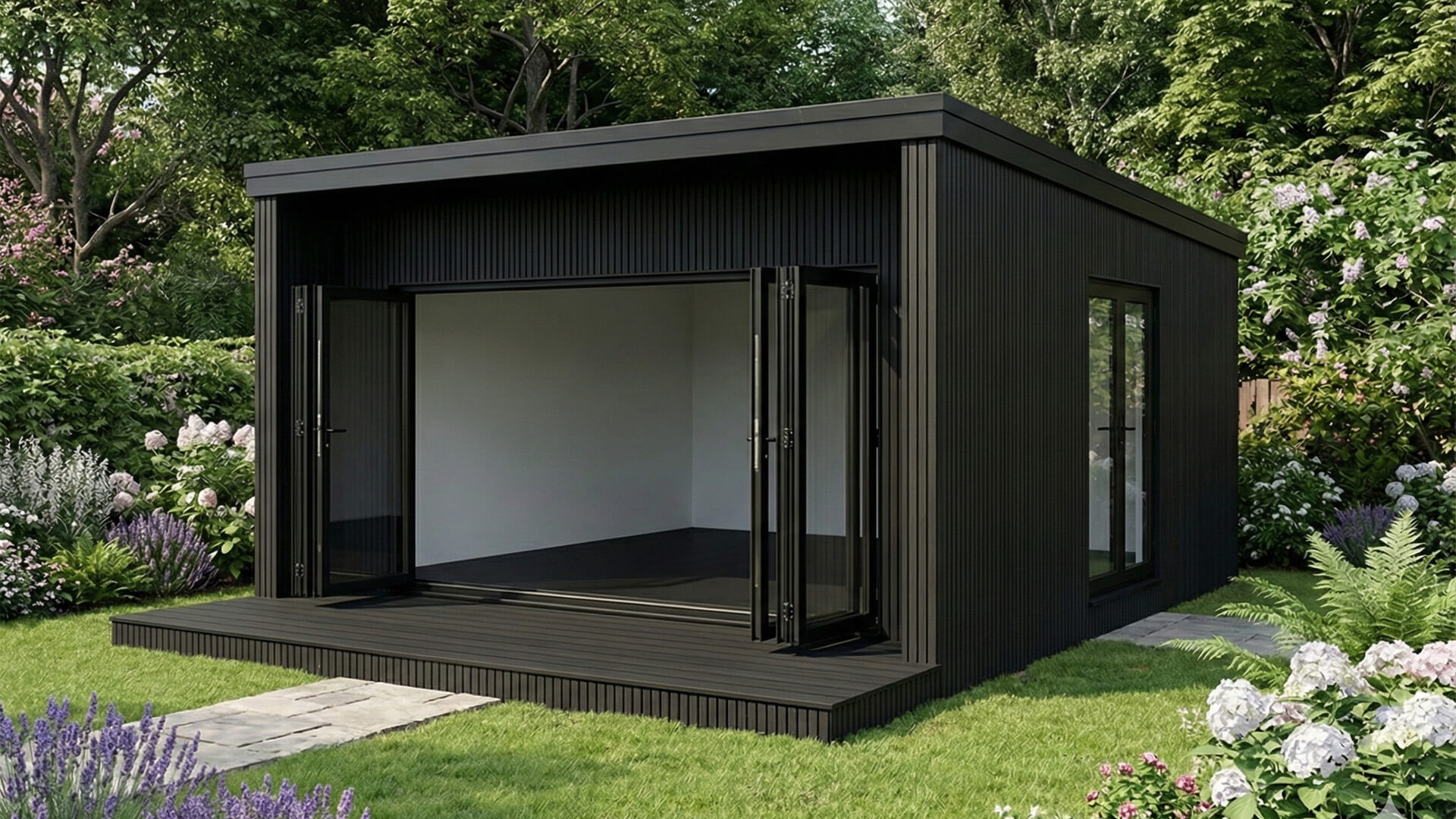
We demonstrated that the garden room was clearly incidental to the enjoyment of the main dwelling, intended for use as a gym and additional living space rather than a self-contained unit. The absence of plumbing, independent access, or facilities for separate occupation reinforced its ancillary nature. The design complied with policies within the Barking & Dagenham Local Plan, the London Plan, and relevant Supplementary Planning Documents, all of which require householder extensions and outbuildings to be subordinate, well-designed, and sensitive to local character.
Concerns around neighbouring amenity were addressed through the proposal’s single-storey height, lack of side-facing windows, and separation from boundary lines. This ensured no issues relating to overlooking, overshadowing, or loss of privacy. As the development made no changes to access or parking, there were no transport or highway considerations.
The local planning authority concluded that the proposal met both local and national planning requirements. Planning permission was granted, recognising the structure as a modest, high-quality addition that respects its surroundings while enhancing the usability of the garden.
This case highlights the importance of understanding the limitations of Permitted Development and the value of a clear planning strategy. Even modest garden rooms can require full planning permission, and addressing design, policy compliance, and amenity impacts from the outset is key to securing approval.
If you are considering a garden room or annexe project, NAPC can provide expert guidance from initial concept through to planning approval.