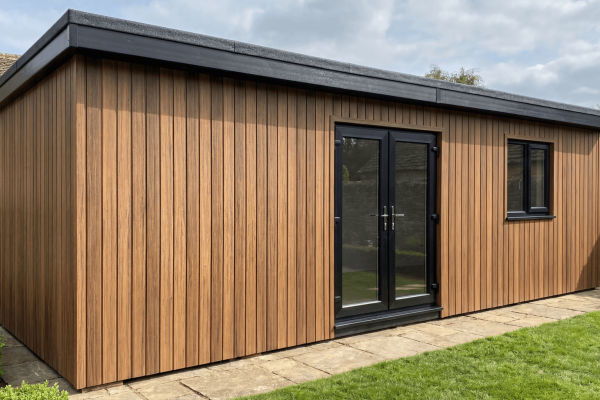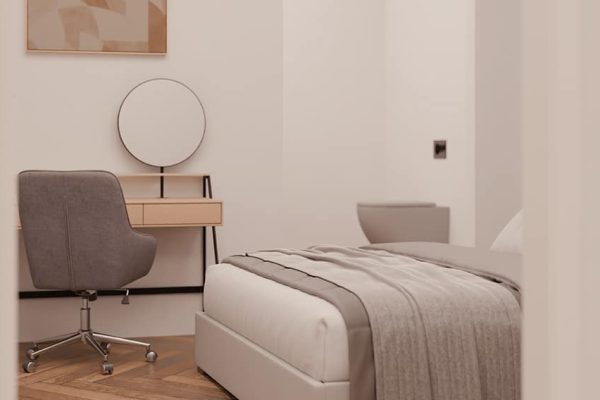
Garden rooms and annexes are now one of the most popular ways for homeowners to create extra space, but the planning rules are often misunderstood. One of the biggest questions is whether a building is simply a garden room, or whether it has become an annexe that may need planning permission.
A garden room can provide a quiet place to work, a home gym, a studio, a playroom, or simply somewhere to enjoy the garden away from the main house. However, the planning position can change depending on how the building is designed and used.
In planning terms, there is an important difference between a building that is incidental to the main house and one that is ancillary to it. Although the words sound similar, councils treat them very differently.
Getting this distinction wrong can cause problems, especially where a building is installed under permitted development rights but is later used as living accommodation.
Understanding the difference
A simple way to think about the distinction is that incidental use relates to something you do because you live in the house, while ancillary use relates to accommodation that allows someone to live alongside the house.
For example, a garden office, gym, hobby room or studio will usually be treated very differently from a building with a bedroom, bathroom, kitchen and living space.
One supports the enjoyment of the main home. The other starts to provide residential accommodation.
Incidental garden room uses
Many garden buildings are used for purposes that may be considered incidental to the enjoyment of the main dwelling. These might include a home office, garden gym, art studio, workshop, storage building, cinema room, games room or pool house.
These types of uses are normally connected to the main home, but they do not provide day-to-day living accommodation.
This is why many garden rooms can fall under Class E permitted development rights, provided they also comply with the relevant size, height, siting and location restrictions.
When the planning position changes
The planning position becomes more sensitive when the building starts to include facilities normally associated with living accommodation.
This might include sleeping accommodation, a kitchen or kitchenette, bathroom or shower facilities, a living area, separate access, or a layout that could allow the space to be occupied independently from the main house.
One facility on its own does not always decide the issue. For example, a toilet in a garden office or a shower in a gym may still be acceptable in some cases. However, when these facilities are combined, the council may take the view that the building is no longer simply a garden room. It may instead be functioning as an annexe or separate residential accommodation.
What councils look for
An annexe is usually a building or extension that provides living accommodation while remaining connected to the main dwelling.
A common example would be accommodation for an elderly parent, adult child or other family member. An annexe may have its own bedroom, bathroom, kitchen and living space, but it should normally remain linked to the main house in the way it is used. It should not operate as a separate independent dwelling.
When assessing this, councils will often look at who will occupy the annexe, whether it will share the same address, and whether it will use the same access, parking, garden space or services as the main home. They may also consider whether the layout suggests independence, whether it could be rented separately, and whether a planning condition is needed to tie the annexe to the main dwelling.
This is why annexe planning permission should be approached carefully. A well-prepared application needs to show that the accommodation is clearly connected to the main dwelling and will not become a separate independent home.
To read more on what councils look for in a successful application click here – https://napc.uk/news/what-councils-look-for-in-a-successful-annexe-planning-application/
Why permitted development may not apply
Class E permitted development rights can allow certain outbuildings within a residential garden, but only where they are required for a purpose incidental to the enjoyment of the dwelling house.
That wording is important because a building used as primary living accommodation is unlikely to qualify as incidental use. So, while a garden gym, office or studio may be permitted development, a self-contained annexe will usually need planning permission.
This does not mean an annexe cannot be approved. It simply means the correct planning route is usually a full planning application rather than relying on permitted development rights.
In some cases, a Certificate of Lawfulness may also be appropriate to confirm whether a proposed garden room falls within permitted development rights. This can give homeowners and providers more certainty before works begin.
Why this matters before you build
This distinction is not just technical. It can have real consequences.
If a building is installed as a garden room but is then used as an annexe, the council may investigate whether there has been a breach of planning control. This can lead to delays, stress, retrospective applications, enforcement issues, or difficulties when selling the property in the future.
That is why it is important to establish the correct planning route before committing to a design or installation.
The key question
Before deciding whether your proposal is a garden room or an annexe, it is worth asking whether someone could reasonably live in the building on a day-to-day basis.
If the answer is no, and the building is genuinely being used as an office, gym, studio or hobby space, it may be incidental.
If the answer is yes, because the building includes sleeping, washing, cooking and living facilities, it is more likely to be treated as ancillary accommodation, and planning permission may be required.
FAQs
Does a garden room need planning permission?
Not always. Some garden rooms can fall under Class E permitted development rights, provided they are used for a purpose incidental to the main house and comply with the relevant size, height, siting and location restrictions.
However, if the building is used as living accommodation, the position is different and planning permission may be required.
Can I sleep in a garden room?
Occasional use may not always change the planning position, but if the building is designed or used as regular sleeping accommodation, especially where it also includes a bathroom, kitchen or living space, it may be treated as ancillary accommodation.
In those circumstances, it is unlikely to fall within Class E permitted development rights and a planning application may be needed.
Can a garden room have a toilet or shower?
In some cases, yes. A toilet in a garden office or a shower in a home gym may still be considered incidental, depending on the overall use of the building.
The planning position becomes more sensitive where facilities are combined to create accommodation that could be lived in independently.
When does a garden room become an annexe?
A garden room is more likely to be treated as an annexe when it includes facilities for day-to-day living, such as sleeping accommodation, washing facilities, cooking facilities and living space.
The council will also consider how the building relates to the main house and whether it could function separately.
Does an annexe need planning permission?
In most cases, yes. An annexe usually provides primary living accommodation, which means it is unlikely to fall under Class E permitted development rights.
That does not mean it cannot be approved, but the correct planning route will usually be a full planning application.
How NAPC can help
At NAPC, we specialise in planning permission for annexes, garden rooms and mobile homes.
We help homeowners and providers understand the correct planning route before applications are submitted or buildings are installed.
Whether your project needs a Certificate of Lawfulness, a full planning application, or early planning advice, our team can review the proposal and guide you through the process.
Planning a garden room or annexe? NAPC can review your proposal and confirm the most appropriate planning route before you build. Contact our team today for specialist advice on garden room and annexe planning permission.