Submitting a successful annexe planning application is not just about good design, it is about clearly demonstrating to the local authority that the proposal sits comfortably within planning policy and the character of the site. While every council and site is different, there are several consistent principles that decision-makers look for when assessing annexe proposals across the UK.
One of the most important considerations is how the annexe will be used. Councils need to be satisfied that the annexe remains clearly linked to the main dwelling and does not function as a separate, independent home. This is usually addressed through layout, access arrangements, and supporting statements that confirm the annexe will be ancillary or incidental to the main house. Demonstrating this link early and clearly is often critical to gaining approval.
Scale and proportion are also central to the assessment. An annexe should always appear subordinate to the main dwelling, both in size and visual presence. Even well-designed buildings can be refused if they are considered too large for the plot or out of proportion with the host property. Councils will look at overall footprint, height, and massing in the context of the site as a whole, rather than viewing the annexe in isolation.
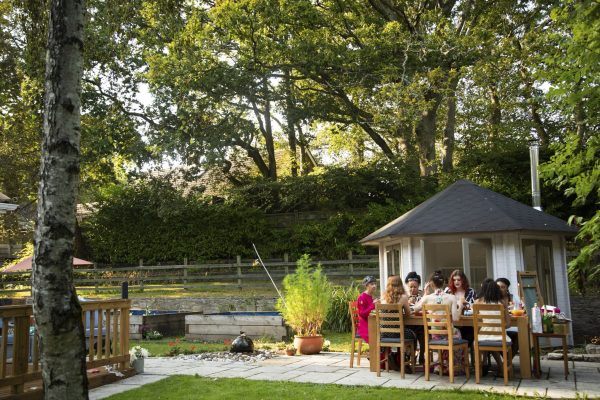
Closely linked to scale is the location of the annexe within the plot. Decision-makers consider how the building sits within the garden and how it relates to the main house. Annexes that feel overly detached, visually dominant, or positioned at the extreme end of a plot can raise concerns, particularly if they appear to operate independently. A well-sited annexe should feel like a natural extension of the residential use rather than a separate development.
Design and appearance play a significant role in shaping officers’ and members’ views. Materials, finishes, and architectural style should either reflect or complement the main dwelling and the surrounding area. This does not always mean copying the house exactly, but the annexe should feel visually coherent and sympathetic to its context. Poor material choices or overly contrasting designs can undermine an otherwise acceptable proposal.
Amenity impacts are another key factor in determining success. Councils will assess whether the annexe would result in overlooking, loss of privacy, overshadowing, or an overbearing presence for neighbouring properties. Careful consideration of window placement, separation distances, and building height is essential to avoid objections on amenity grounds.
Finally, access and integration are closely scrutinised. The annexe should function as part of the main household, with clear physical and functional links back to the primary dwelling. Circulation routes, garden layout, and the relationship between buildings all help demonstrate that the annexe is genuinely ancillary. Where access arrangements suggest independence, concerns are far more likely to arise.
Understanding these considerations at the outset allows annexe proposals to be shaped in a way that aligns with council expectations rather than working against them. At NAPC, we focus on addressing these points clearly and proactively within planning submissions, giving applications the best possible chance of success and reducing the risk of delays or refusal.