Across the UK, more families are rethinking the way they live. Rising household costs, expensive childcare, pressure on adult children trying to get onto the property ladder, and the growing need to support elderly relatives are all changing what families need from their homes.
For many, the idea of living close to loved ones while still maintaining independence is becoming increasingly appealing. This is where multi-generational living can offer a practical and emotionally positive solution.
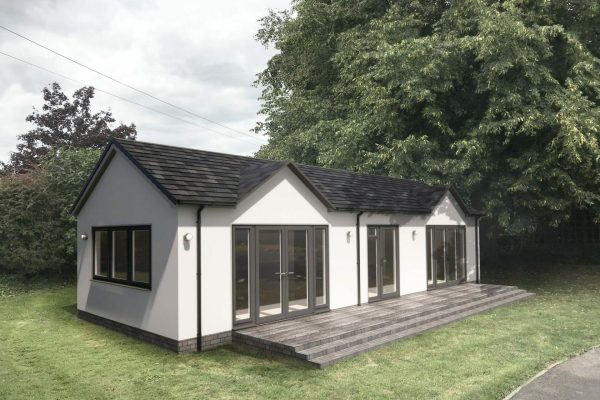
Multi-generational living usually means two or more generations of the same family living on the same property, often with parents, children and grandparents close together but with their own space. This might be within the main house, through a converted area, or through a purpose-built annexe or mobile home within the garden.
When planned properly, it can provide the best of both worlds, independence, privacy and day-to-day support, all within a family setting.
The financial pressure on families is growing
It is no secret that household budgets have become tighter. According to the Office for National Statistics, UK households spent an average of £623.30 per week in the financial year ending 2024. This was a 10% nominal increase from the previous year, or 3% after accounting for inflation.
For families already balancing mortgage payments, energy bills, food costs, childcare and care responsibilities, these pressures can quickly become overwhelming. Multi-generational living can help reduce some of that strain by allowing families to share certain costs, such as utilities, household maintenance, groceries and day-to-day support.
Childcare is another major factor. Coram’s 2024 Childcare Survey found that a part-time nursery place for a child under two cost an average of £158 per week in Great Britain, while full-time nursery care can cost significantly more. Government commentary on the same Coram data referred to full-time 50-hour nursery care for a child under two costing around £305 per week in 2024, which equates to more than £15,000 per year if paid across a full year.
For working parents, having grandparents or other relatives nearby can make school runs, after-school care and emergency childcare far easier to manage. It may not replace formal childcare entirely, but it can provide the kind of flexible support that many families find invaluable.
The same applies at the other end of life. Residential and nursing care can be extremely expensive. The government’s Adult Social Care Finance Report for England 2024 to 2025 recorded the average cost of a week of residential or nursing care at £1,185.55, which is more than £61,000 per year.
Multi-generational living is not a substitute for professional care where specialist care is needed, but it can allow families to provide day-to-day support, companionship and reassurance for elderly relatives who want to remain close to home.
Well-being is about more than money
The financial benefits of multi-generational living are important, but the emotional benefits are often just as valuable.
For elderly parents, living close to family can reduce isolation and provide a stronger sense of security. Many older people want to maintain their independence for as long as possible, but living alone can become difficult, particularly when health needs, mobility issues or loneliness begin to increase.
An annexe or garden-based living space can allow an elderly parent to have their own front door, bedroom, bathroom, kitchen and living area, while still being close enough for family to check in, help with meals, provide transport, or simply spend time together.
For younger families, the benefits can be just as meaningful. Parents often feel pulled in every direction, balancing work, children, home life and wider family responsibilities. Having relatives nearby can create a stronger support network, making everyday life feel more manageable.
This connection matters. The long-running Harvard Study of Adult Development has repeatedly highlighted the importance of close relationships to long-term happiness and healthy ageing. While a home layout alone cannot create strong relationships, it can make it easier for families to spend time together, support one another and build the everyday connections that contribute to well-being.
Independence and privacy still matter
One of the biggest concerns families have about multi-generational living is whether everyone will still have enough space.
This is why annexes, mobile homes and well-designed garden accommodation can work so well. They allow loved ones to remain close, but not on top of one another.
A properly designed annexe can provide independent living space without necessarily creating a separate dwelling. It can include comfortable accommodation, accessible features, a small kitchen, bathroom facilities and private living areas, while still remaining functionally connected to the main home.
This balance is important. Multi-generational living works best when family members can choose when to come together and when to enjoy their own privacy. For elderly relatives, this can help preserve dignity and independence. For adult children, it can provide a stepping stone while saving for a home of their own. For parents, it can offer peace of mind without the pressure of everyone sharing the same rooms day after day.
Garden annexes can support modern family life
A garden annexe is often one of the most practical ways to make multi-generational living work.
Unlike a simple garden room or shed, a residential annexe is designed around real living needs. It may include sleeping accommodation, washing facilities, a kitchenette, accessible layouts, insulation, heating and high-quality finishes. In many cases, the aim is to create a space that feels like a proper home, while still remaining ancillary to the main dwelling.
This can be particularly helpful for families caring for elderly parents. A single-storey annexe can be designed with level access, wider doorways, accessible bathrooms and layouts that reduce the need for stairs. It can also allow future flexibility, meaning the space may later be used for guests, adult children, home working, or family support.
For families thinking long term, this flexibility can be a major advantage.
The planning side should not be overlooked
Although the benefits of multi-generational living are clear, it is important to understand that annexes, mobile homes and garden accommodation can raise planning issues.
A common misconception is that anything under a certain size can simply be built in the garden without planning permission. In reality, the planning position depends on what is being built, how it will be used, where it will be located and whether it would remain ancillary to the main dwelling.
Some garden buildings may fall under permitted development rights if they are genuinely incidental to the enjoyment of the main house. However, accommodation that includes primary living facilities, such as sleeping, cooking and washing facilities, may require planning permission or a Lawful Development Certificate, depending on the circumstances.
Mobile homes and caravans used for ancillary accommodation are assessed differently again. In some cases, a mobile home within the residential curtilage of a dwelling may not require planning permission, provided it meets the statutory definition of a caravan and remains functionally connected to the main home. However, this needs to be carefully evidenced.
This is where specialist planning advice becomes essential. Getting the planning strategy right from the start can help avoid delays, refusals, enforcement risks and unnecessary costs.
A better way for families to live together
Multi-generational living is not just about adding extra space. It is about creating a more supportive way of living.
It can help families manage rising costs, reduce the pressure of childcare, support elderly relatives, strengthen family relationships and allow loved ones to remain close while still keeping their independence.
For many households, a carefully planned annexe or garden-based living space can make that possible.
At NAPC, we specialise in planning applications, Lawful Development Certificates and planning strategies for annexes, mobile homes and garden accommodation across the UK. We help homeowners, families and providers understand what is possible, what permissions may be required and how to present a clear planning case from the outset.
If you are considering an annexe, mobile home or multi-generational living arrangement, get in touch with NAPC for specialist planning advice.